


 Settings
 Fast Delivery
 Free Shipping
 Incoterms
 Payment Types


 Marketplace Product


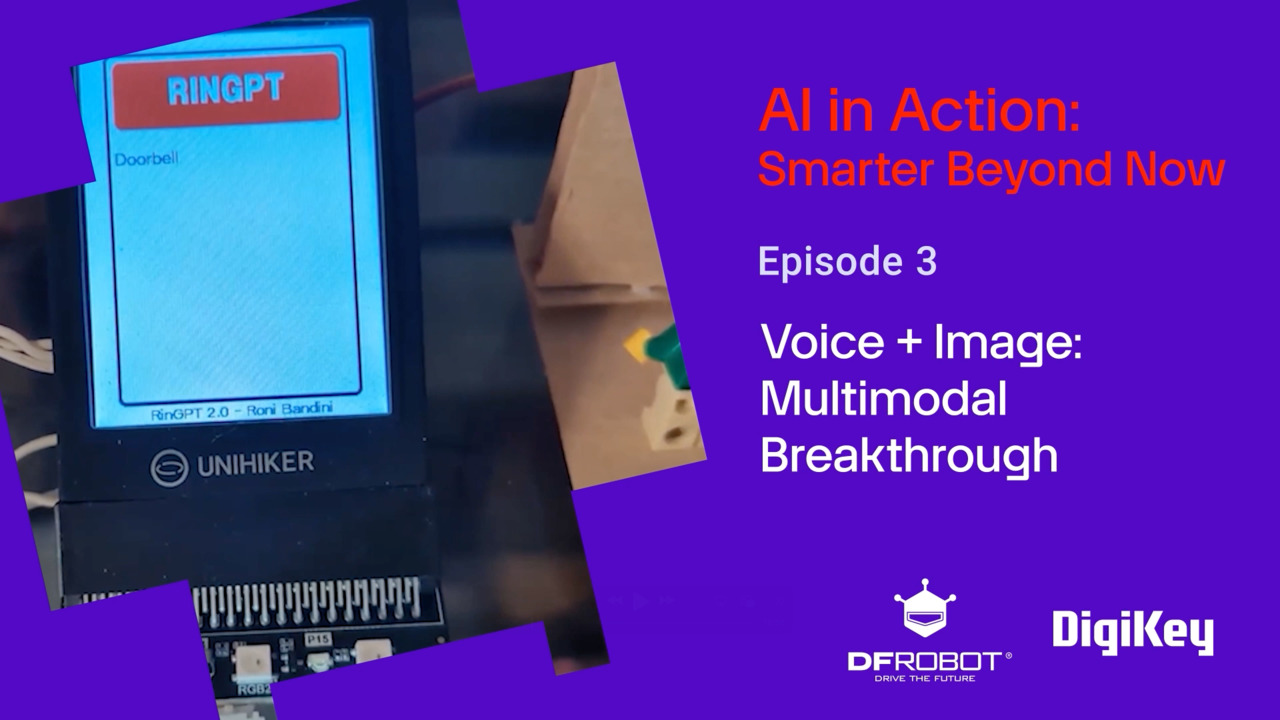
This video explores how multimodal perception AI enables machines to "hear, speak, and see" like humans.
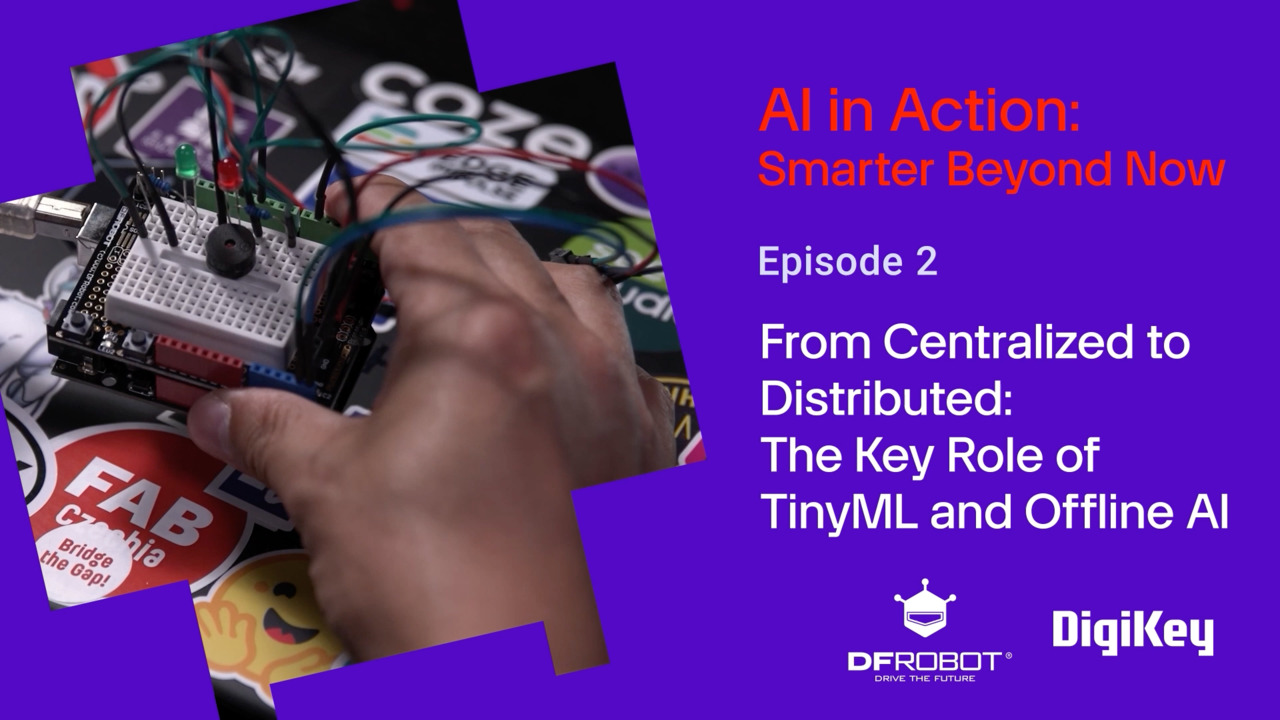
This video delves into the shift from “centralized intelligence” to “distributed intelligence,” introducing applications of TinyML and local offline AI.
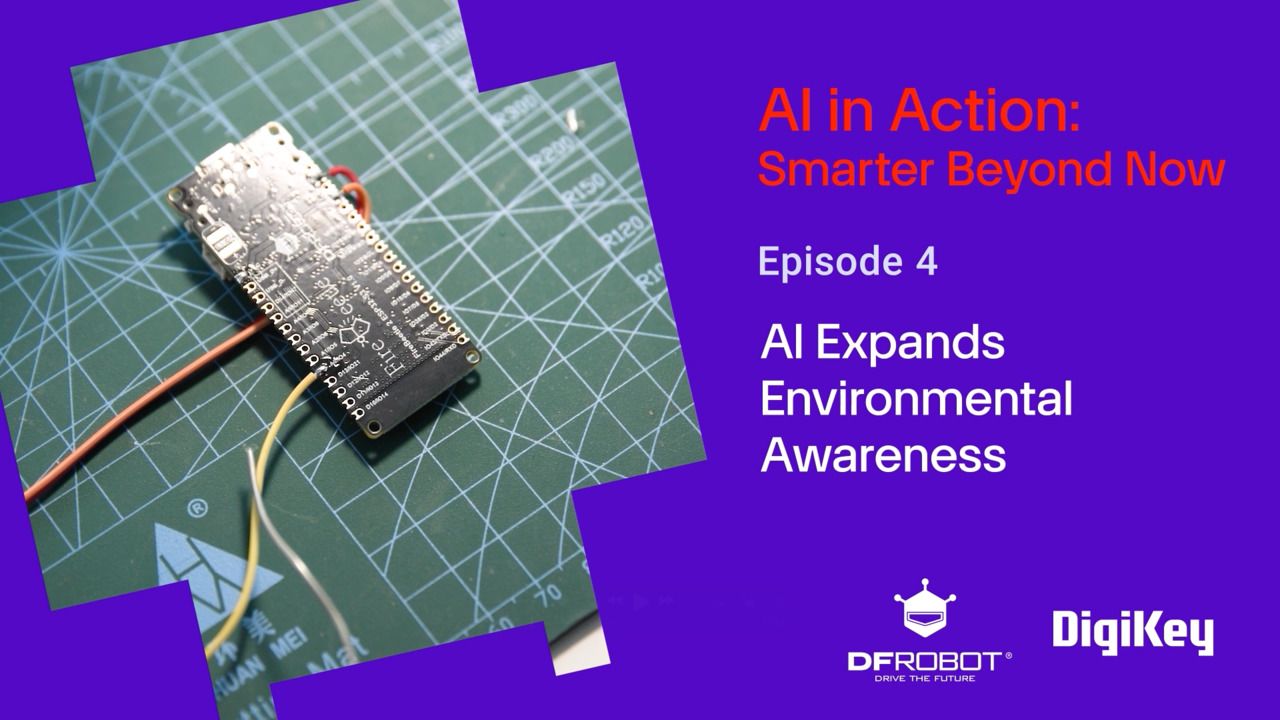
This video introduces how to develop environmental sensing systems using DFRobot's powerful development tools.
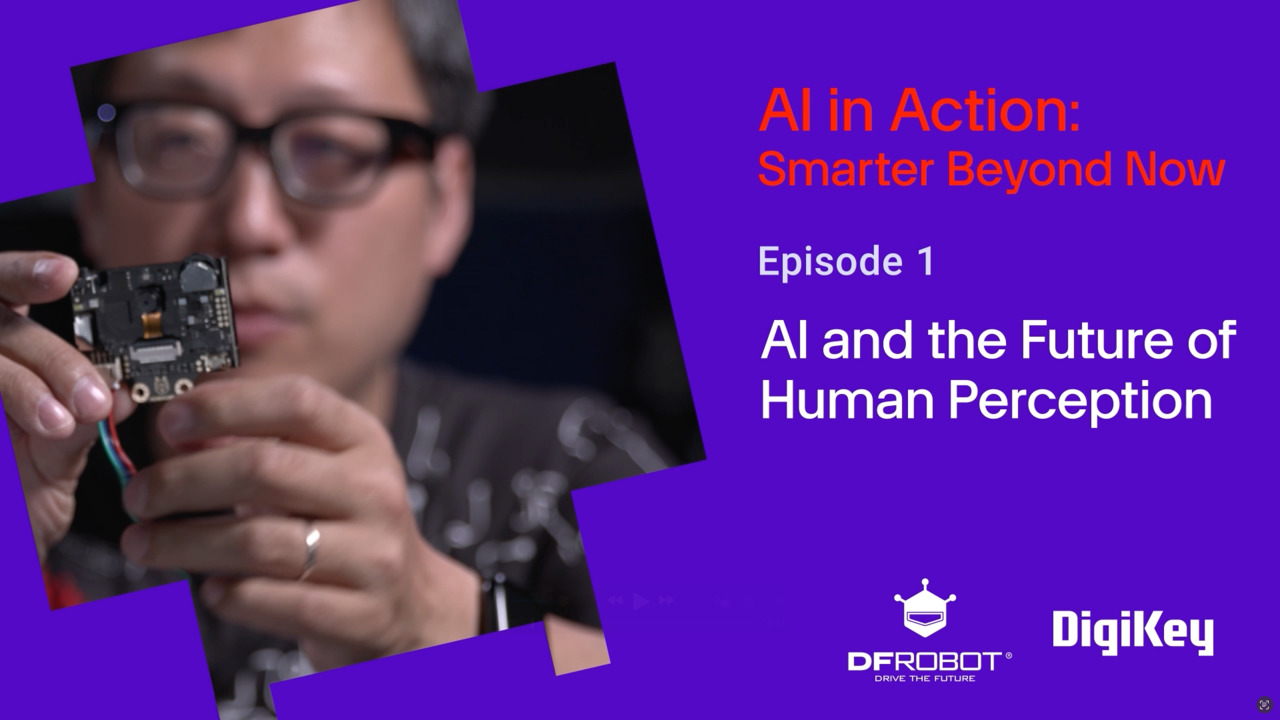
This video explores the core resources of DFRobot's AI main control board.
 Choosing the Right Brain for Your Project
Learn what factors need to be considered when choosing a development/evaluation board for your project.
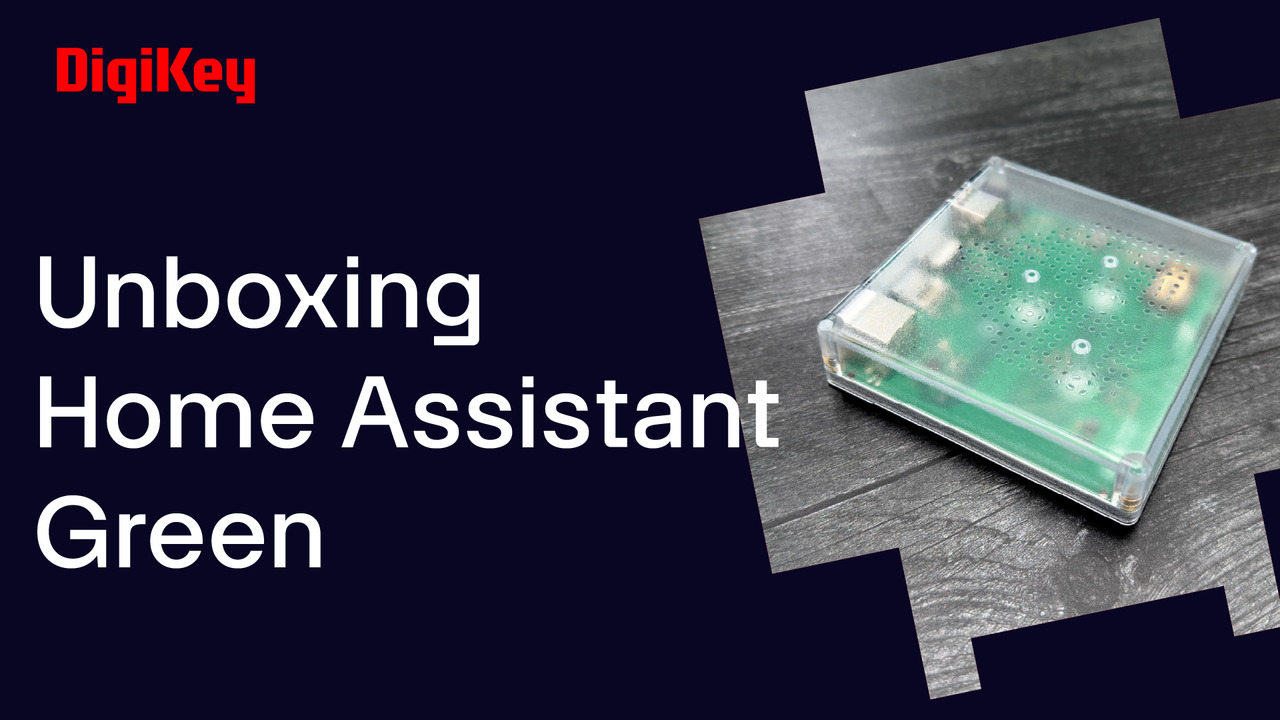
We take a look at the Home Assistant Green from DFRobot. It’s a smart home hub with a powerful processor running the Home Assistant OS, enabling open-source home automation that works with other platforms and uses local processing and storage.
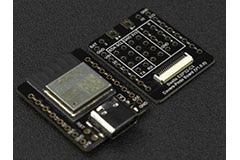

The DFRobot Beetle series ESP32 development boards are based on the ESP32 module, which is only the size of a coin (25 mm x 20.5 mm).
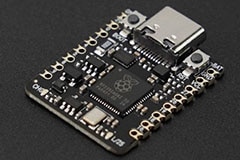
DFRobot Beetle series mini development boards are specifically designed for embedded development, IoT (Internet of Things) devices, and wearable applications.

The DFRobot sensor enables offline AI gesture and face detection, recognizing 5 hand gestures and up to 10 faces within 3 meters for privacy without cloud use.

The DFRobot Fermion BME688 AI environment sensor is a compact MEMS sensor that provides accurate measurements of temperature, humidity, and barometric pressure.

DFRobot DFR115-915 and DFR115-868 Gravity LoRaWAN node modules are ideal for agriculture, environmental monitoring, and industrial sensing projects.
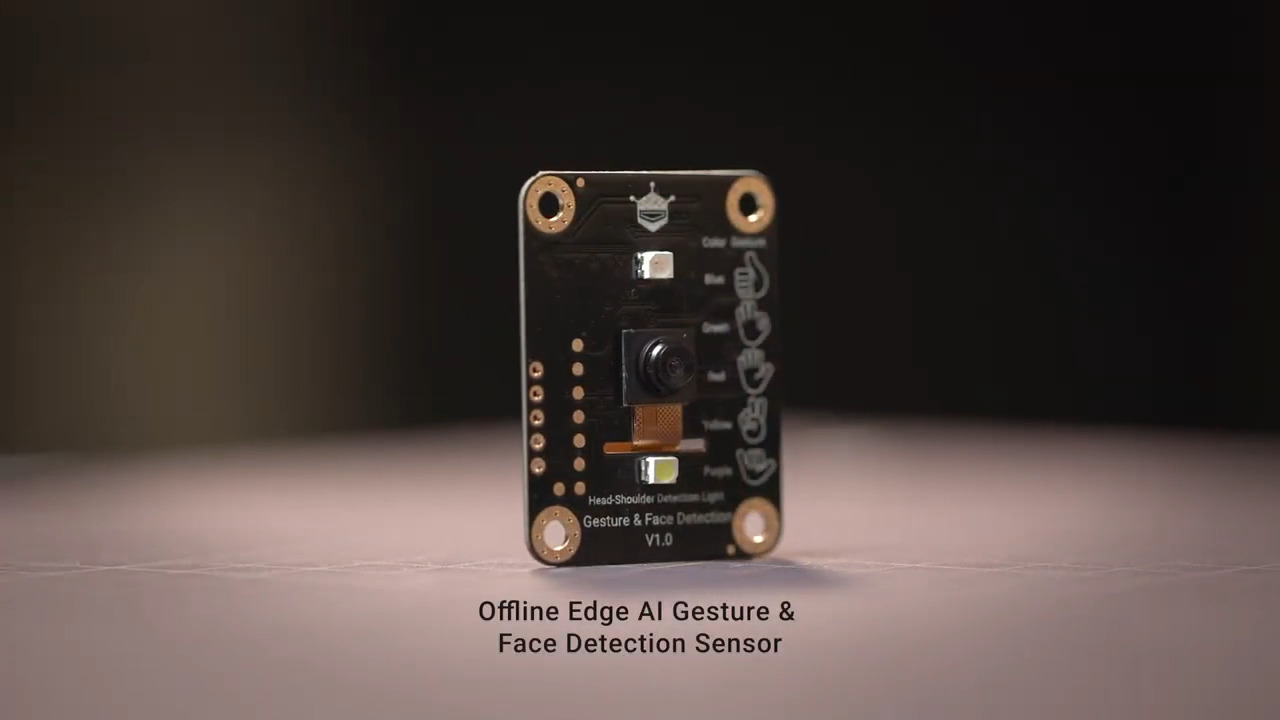
DFRobot's Gravity Offline Edge AI Sensor is a privacy-focused AI device that detects 5 hand gestures.
Discover the UNIHIKER K10 and its features for AI innovation, AI functionalities and simple project tutorials.
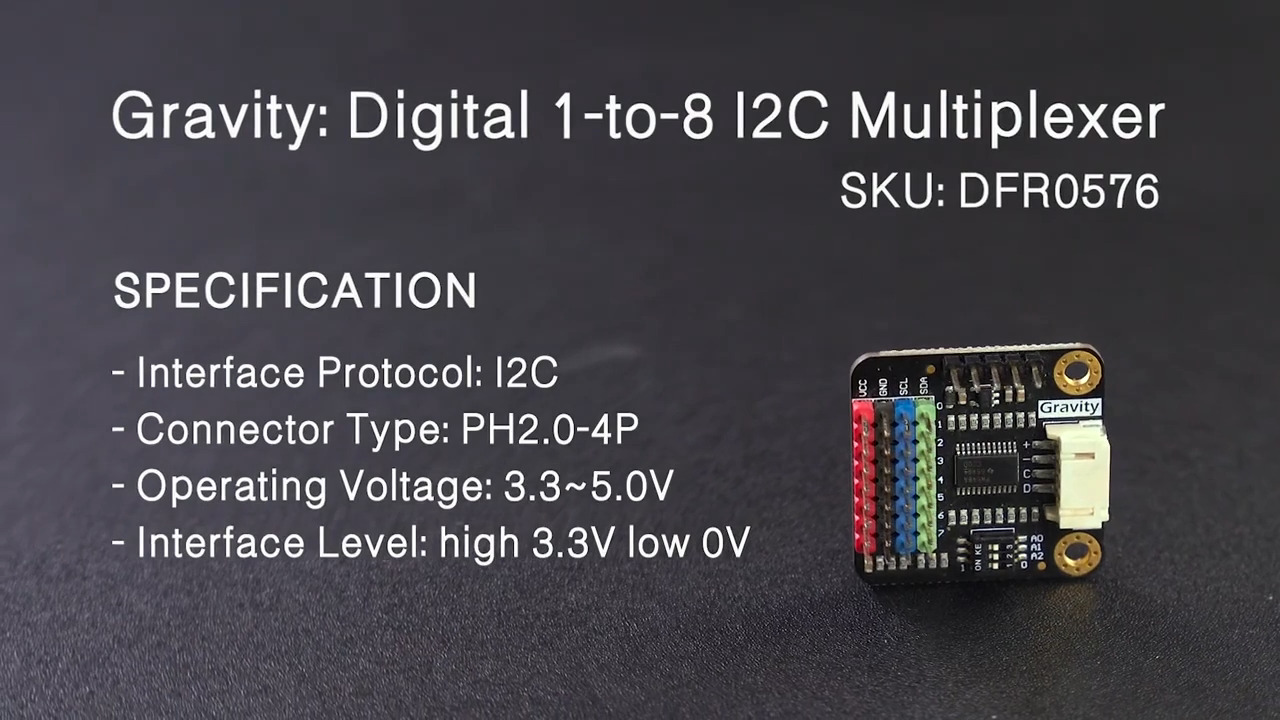
This video explains the I2C protocol, using DFRobot's Gravity: Digital 1-to-8 I2C Multiplexer to solve address conflicts, enabling communication with multiple same-address I2C devices, as demonstrated in a tomato clock project with listed materials.
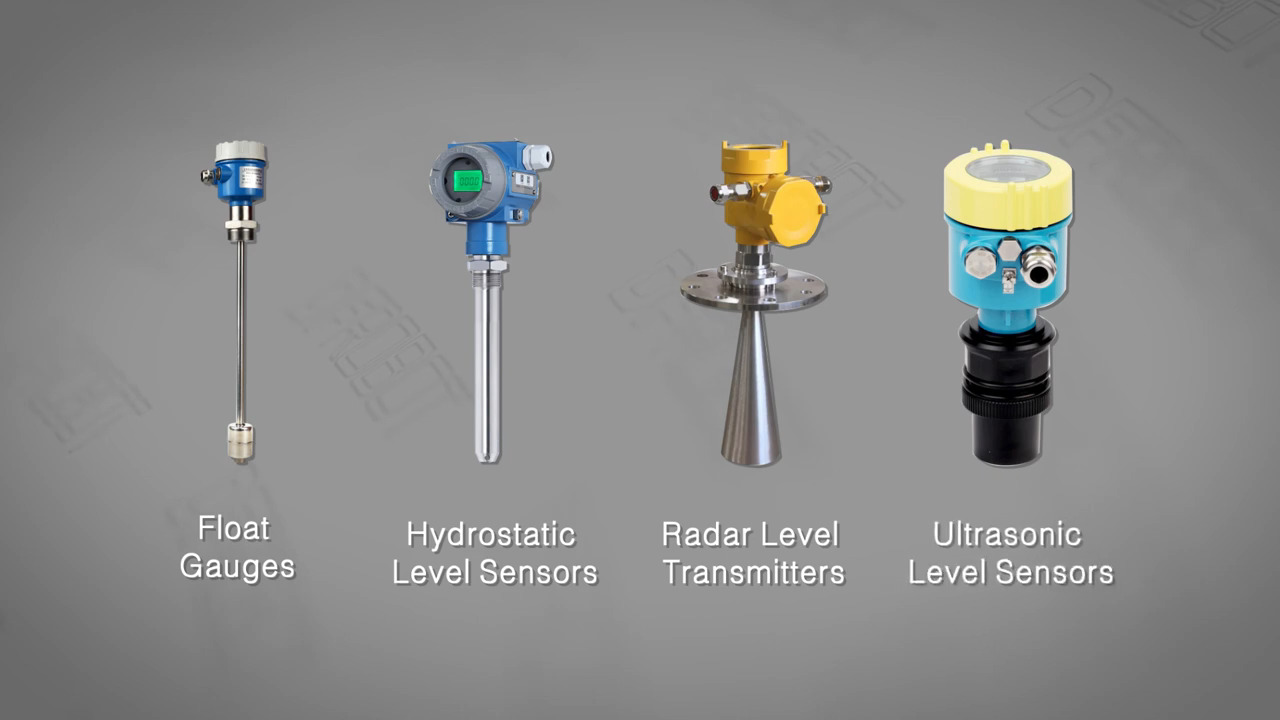
This video explains how a capacitive liquid level sensor works, introducing a DIY plant watering device project that uses such a sensor to monitor water tanks, aiding in plant care—especially when away—with listed materials and a tutorial link.
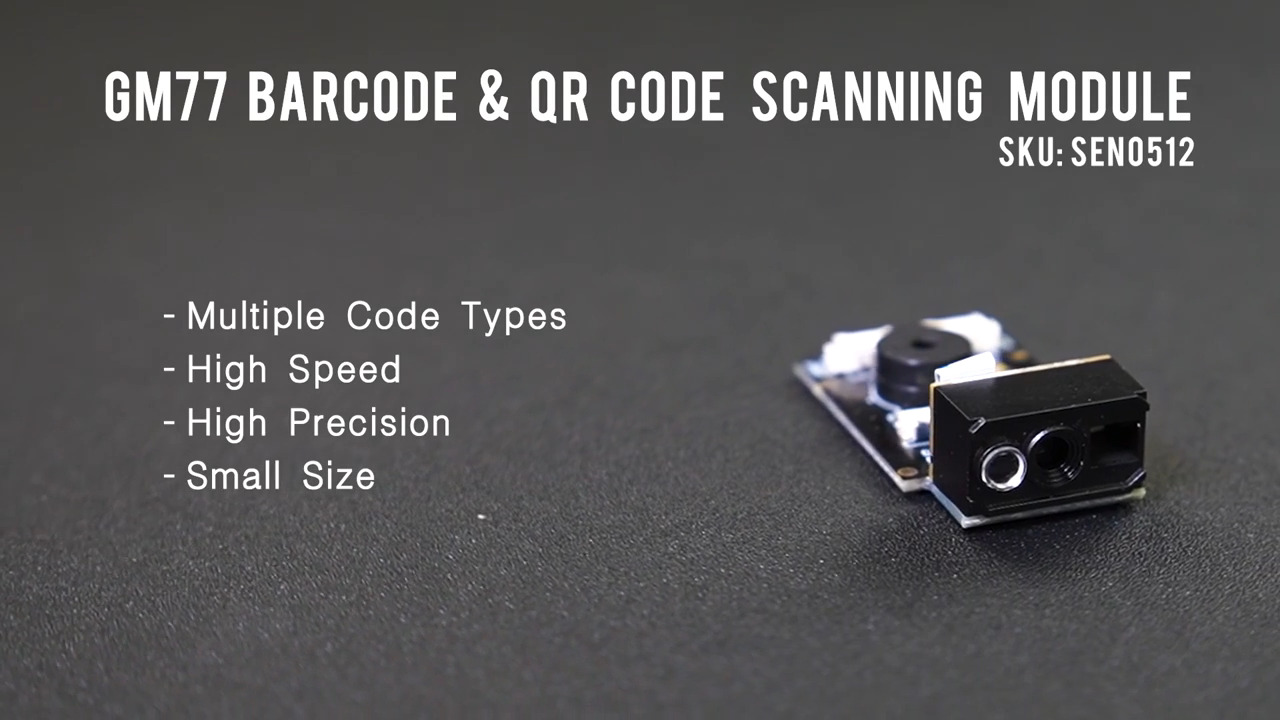
This video introduces DFRobot's GM77 QR Code Scanning Sensor, explaining how it works—it reads barcodes and QR codes at 15m/min, features a small size, high-efficiency recognition, a 0.3MP camera with auxiliary lights, and supports TTL-232 and USB.
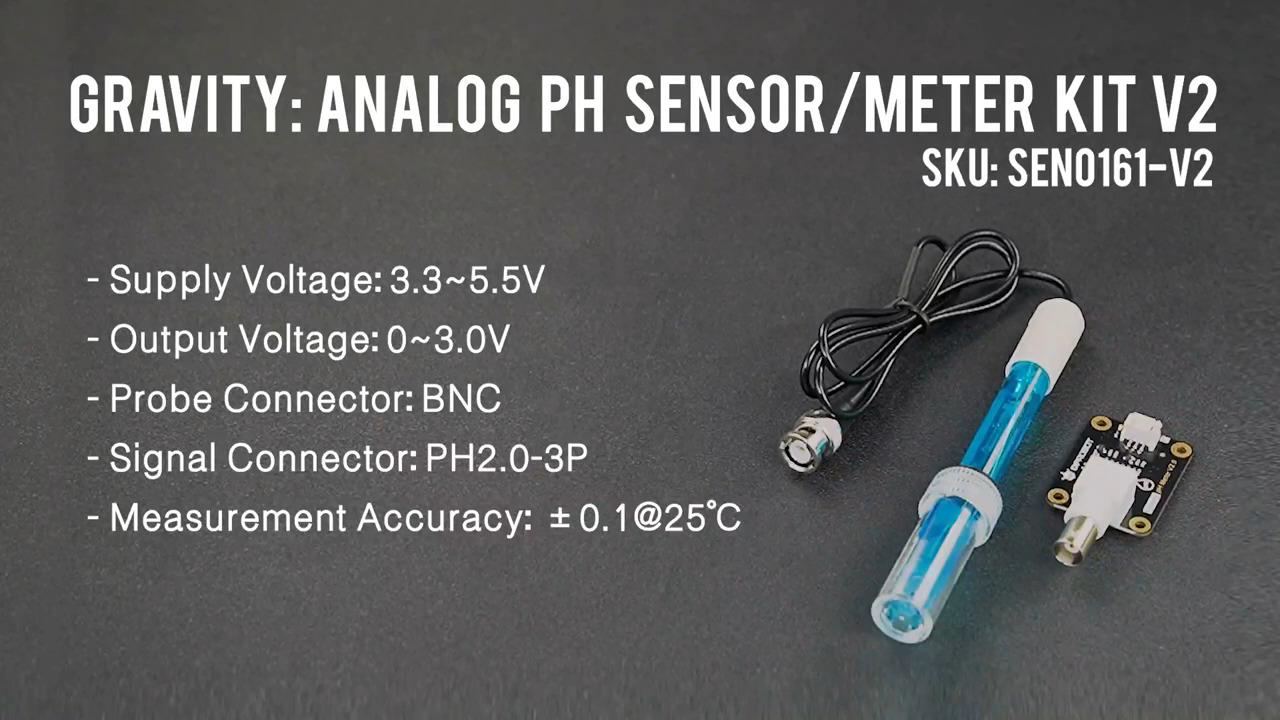
This video explains DFRobot's Gravity: Analog pH Sensor/Meter Kit V2, an upgraded pH-measuring tool for solutions, with improved precision, 3.3~5.5V wide voltage support.
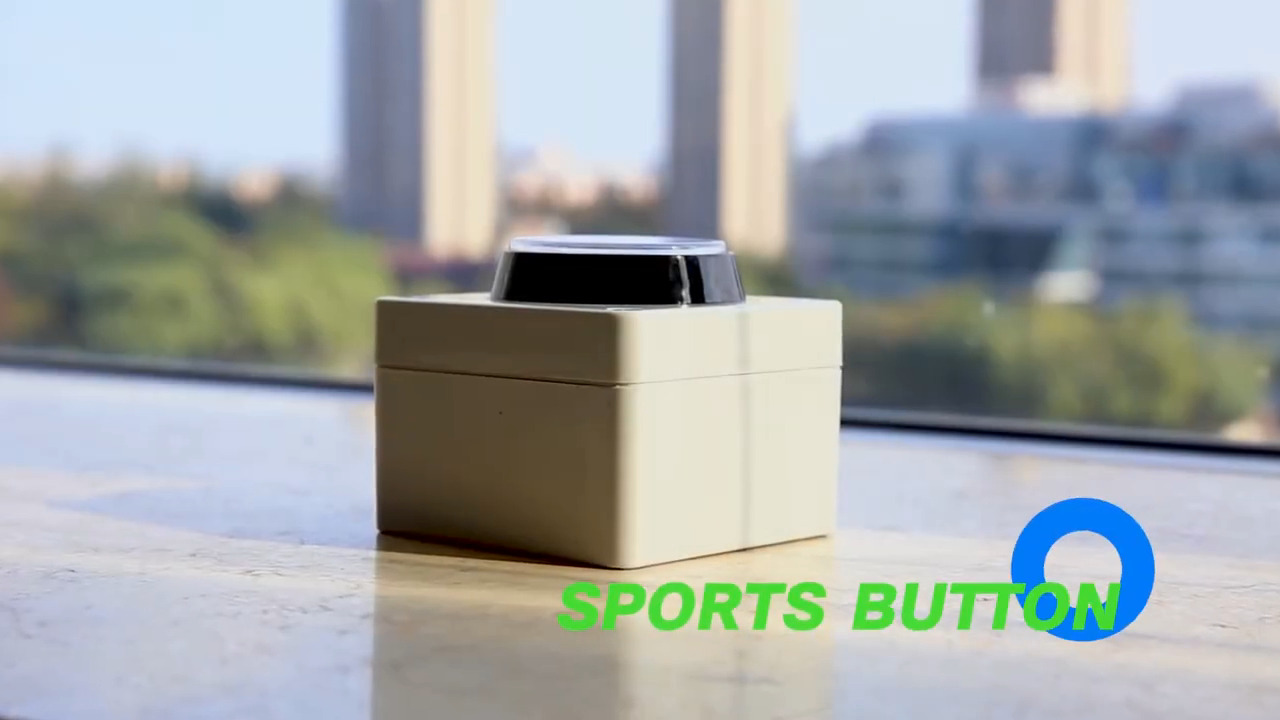
This video shares a project to make sports buttons using the Beetle ESP32 - C3 development board, which can be used for testing jump height, reaction speed in "Whac - A - Mole", and other games, with listed materials and a tutorial link.
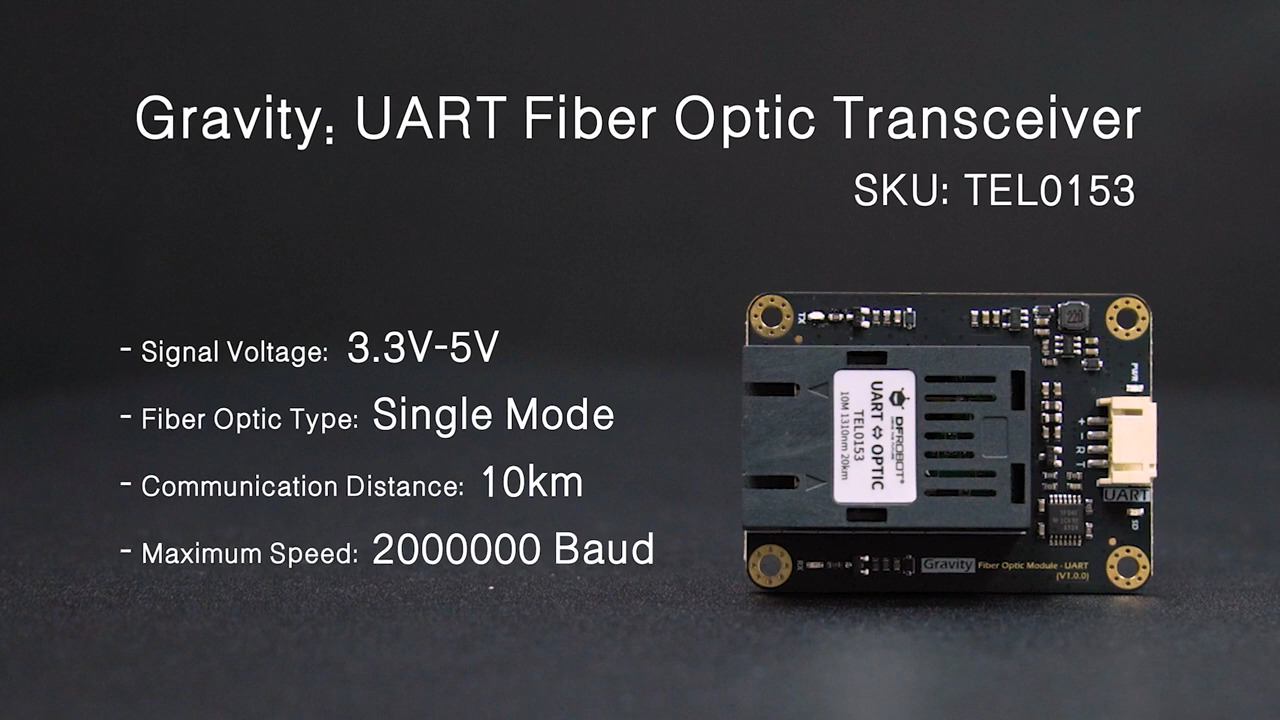
This video explains the UART protocol, featuring DFRobot's Gravity: UART Fiber Optic Transceiver Module (supporting 2000000 baud and up to 10km distance) used in a weather station project with listed materials like ESP32-E controllers.
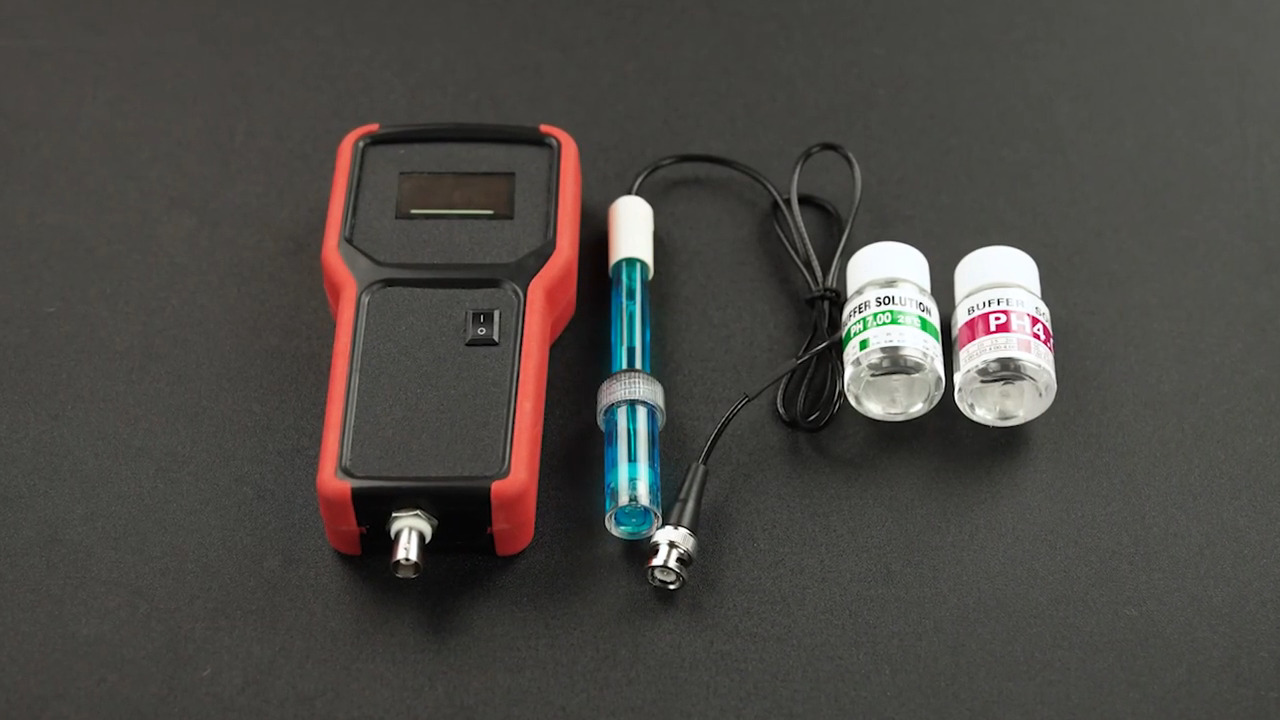
This video focuses on the principle of pH calibration, using DFRobot's Gravity: Analog pH Sensor/Meter Kit V2—an upgraded, widely compatible tool for pH measurement in aquaponics, aquaculture, etc.






 Taiwan